Stress, anxiety and your heart: what is known
Anxiety is common in midlife and its symptoms can resemble heart trouble. What the evidence says, and why chest pain is always treated as urgent.
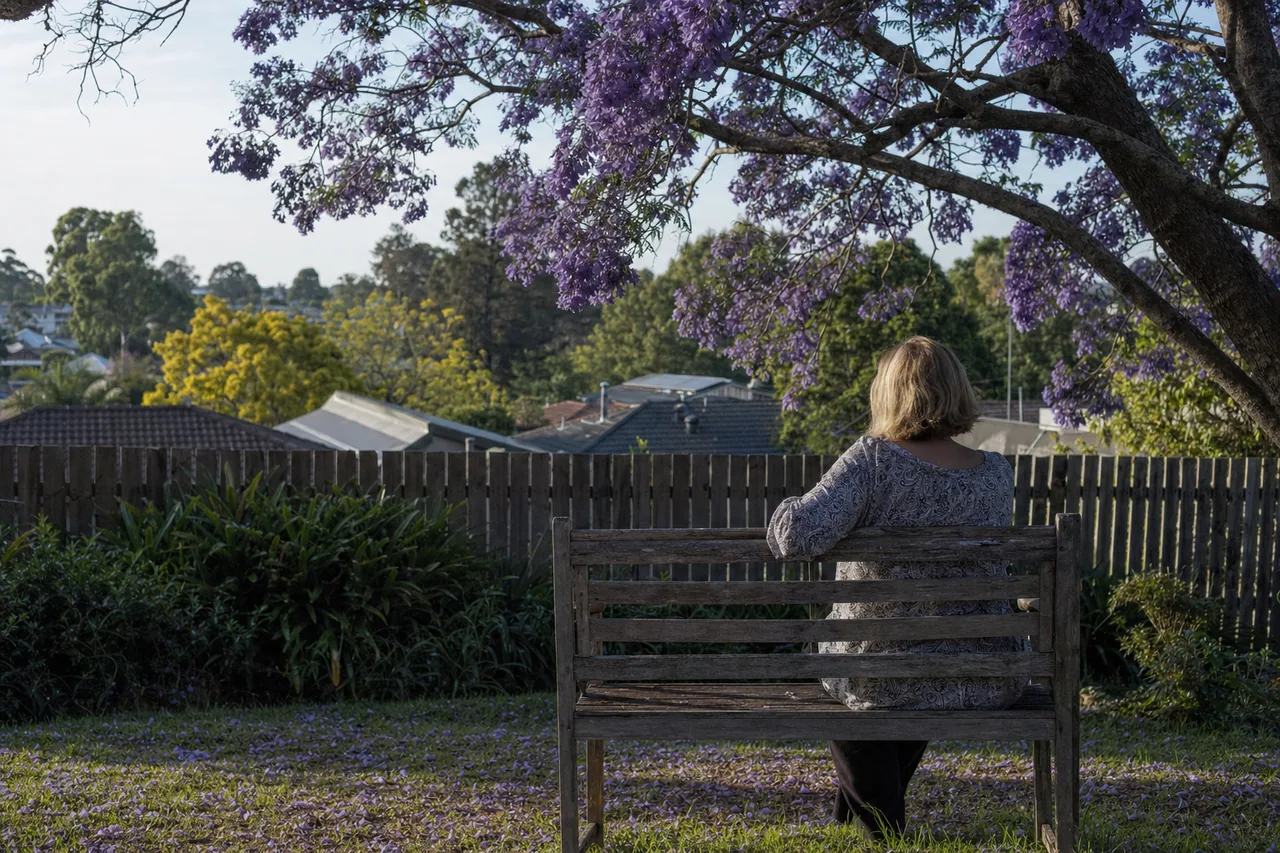
Among Australians aged 45 to 54, 19.7% of women and 11.6% of men had an anxiety disorder in the previous 12 months, according to the Australian Bureau of Statistics National Study of Mental Health and Wellbeing, carried out between 2020 and 2022. In the 55 to 64 age group the figures were 16.8% of women and 11.3% of men.
The rates are lower after that, at 10.9% of women and 6.3% of men aged 65 to 74. Even so, anxiety is common through the same decades in which people begin paying closer attention to their hearts. Some of the physical symptoms are alike, and the conditions themselves appear to be linked. What follows is what the Heart Foundation and Beyond Blue say about that link, and what to do when a tight chest could be either.
What the Heart Foundation says
The Heart Foundation describes the relationship as running both ways. People with a mental health condition can have an increased risk of heart conditions, and living with a heart condition can affect mental health. It adds that around one in two people will struggle with their mental health at some point in their life.
On its page about risk factors for heart disease, the Heart Foundation names depression directly. It says depression can increase the risk of developing heart disease as much as smoking and obesity do. The same page lists social isolation, not having enough social support, and work stress as related factors. Part of the explanation it gives is behavioural: the better a person's mental health, the more likely they are to make healthy choices such as being active and eating well.
Long-term stress: firm evidence and thin evidence
Beyond Blue describes stress as a natural response to pressure, and one that is not always bad. The trouble comes when it is too much or lasts too long. Chronic stress, it says, can contribute to serious health issues, from heart disease to digestive problems. Prolonged stress can also cause poor mental health, and can worsen the symptoms of existing anxiety or depression.
The size of the effect on the heart is harder to pin down. A consensus statement from the National Heart Foundation of Australia, published in the Medical Journal of Australia in 2013, reviewed the research on different kinds of stress. It found that perceived chronic job strain and shift work were associated with a small absolute increase in the risk of developing coronary heart disease.
The evidence was stronger for sudden, severe stress. The statement concluded that coronary events can be precipitated by bereavement and that heart attack can be precipitated by negative emotional states. It also reported that social isolation after a heart attack was associated with a worse outlook.
The authors added two cautions. The absolute risk from any single triggering event is very low. And although acute psychological triggers are linked to heart events, they found no convincing evidence for specific prevention at an individual level. The research supports taking stress seriously as one part of heart health. It does not show that a particular relaxation method prevents heart attacks.
When anxiety feels like the heart
Beyond Blue lists shortness of breath, chest pains and an increased heart rate among the physical symptoms stress can produce. Healthdirect includes anxiety and panic attacks among the common causes of chest pain, alongside indigestion, muscle strains and chest infections.
Chest pain can also be a symptom of a heart attack. Sorting one cause from the other is a job for people with the right equipment, and Healthdirect does not ask anyone to attempt it at home.
It's safest to consider the pain as heart-related until proven otherwise.
Its instruction is to call triple zero (000) immediately and ask for an ambulance for chest pain that is severe, getting worse or has lasted longer than 10 minutes. The same applies to chest pain that feels heavy, crushing or tight, chest pain together with pain in the jaw or down the left arm, and chest pain that arrives with breathlessness, nausea, dizziness or a cold sweat. While waiting, Healthdirect says to stop all activity and rest, loosen any tight clothing, and have nothing to eat or drink.
A history of anxiety does not change this advice. Someone who has had panic attacks before can still have a heart problem, and being examined and told the heart is fine is a good result, not a wasted call. Once the urgent question has been answered, episodes that keep returning are worth raising with a GP.
What Beyond Blue suggests for ongoing stress
Beyond Blue draws a line between stress and anxiety. Stress usually comes from a specific challenge or pressure. Anxiety can linger, often as constant worry or fear, and sometimes without a clear cause. Its stress tips can ease both, it says, but anxiety may need further support.
For stress that has settled in, Beyond Blue's longer-term suggestions are ordinary and practical:
- build a good routine
- try to stay active
- talk to someone
- practise mindfulness
- take a break from social media.
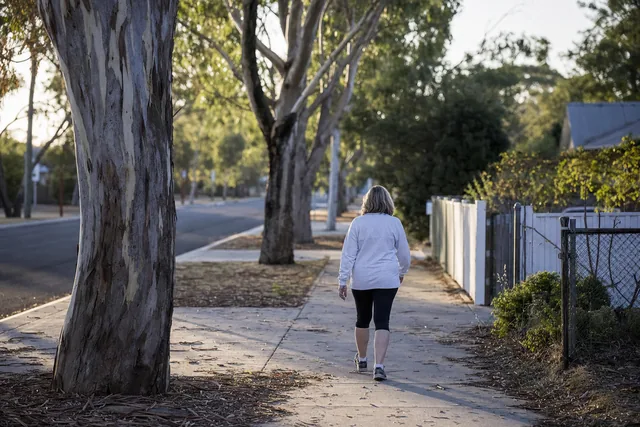
Staying active earns its place twice. The Heart Foundation says regular physical activity can cut the risk of having a heart attack or developing heart disease, so a daily walk taken for the sake of mood is also doing something for the heart. None of these habits is a treatment for an anxiety disorder or for depression, and none replaces medical care.
Where to get support
A GP is the usual starting point, both for worries about the heart and for anxiety or low mood that has gone on for weeks. The Heart Foundation notes that a mental health treatment plan, arranged through a GP, lets a person claim a Medicare rebate on up to 10 sessions with a mental health professional each year.
Between appointments, or at two in the morning, there are phone lines that answer. The Beyond Blue Support Service offers free, confidential phone counselling at any time of the day or night on 1300 22 4636, and its counsellors are also available around the clock by webchat. Lifeline provides 24-hour crisis support on 13 11 14, by text on 0477 13 11 14, and through online chat.
Because a heart condition can itself affect mental health, low mood or persistent worry after a diagnosis is worth mentioning at the next appointment, in the same way a new physical symptom would be.
The research does not support blaming stress for every heart problem, and it does not support ignoring it either. What it supports is modest: treat chest pain as urgent every time, and have anxiety and depression assessed as health conditions in their own right.
Sources
- Australian Bureau of Statistics, National Study of Mental Health and Wellbeing, 2020-2022.
- Heart Foundation, What is mental health?.
- Heart Foundation, Are you at risk of heart disease?.
- Glozier N, Tofler GH, Colquhoun DM, et al., Medical Journal of Australia 2013; 199(3), Psychosocial risk factors for coronary heart disease: a consensus statement from the National Heart Foundation of Australia.
- Beyond Blue, Stress and mental health.
- Healthdirect, Chest pain.
- Lifeline Australia, Lifeline (home page).